
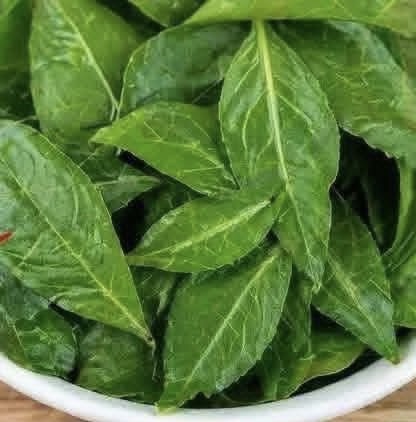
Bay leaves have been used for centuries in traditional cooking and herbal practices. Their distinctive aroma enhances soups, stews, and sauces, but many people also enjoy bay leaf tea as a warm, comforting beverage. Social media often claims that a single bay leaf can cure diabetes, lower high blood pressure, eliminate pain, reduce cholesterol, and improve circulation. However, these claims are exaggerated and are not supported by strong scientific evidence.
While bay leaves contain beneficial plant compounds that may support overall wellness, they should never be considered a replacement for medical treatment. Here’s a closer look at the potential benefits, how to prepare bay leaf tea, and what current research suggests.
What Are Bay Leaves?
Bay leaves come from the bay laurel tree and are commonly used as a culinary herb. They contain essential oils, antioxidants, vitamins, and plant compounds that contribute to their unique flavor and potential health-supporting properties.
Fresh or dried bay leaves are widely available and can easily be incorporated into cooking or brewed into tea.
Nutritional Value of Bay Leaves
Although bay leaves are consumed in small amounts, they provide several beneficial compounds, including:
- Antioxidants
- Vitamin A
- Vitamin C
- Potassium
- Calcium
- Magnesium
- Iron
- Manganese
- Polyphenols
These nutrients help support normal body functions and contribute to a healthy diet.
Potential Health Benefits
Rich in Antioxidants
Bay leaves contain antioxidants that help protect cells from oxidative stress caused by free radicals. Antioxidants are an important part of a balanced diet and may contribute to long-term health.
Supports Healthy Digestion
Many people drink bay leaf tea after meals because it may promote comfortable digestion. The warm beverage can be soothing and may help reduce occasional bloating in some individuals.
May Support Heart Health
A heart-friendly lifestyle includes a nutritious diet rich in herbs, vegetables, fruits, and whole grains. Bay leaves contain plant compounds that may contribute to cardiovascular wellness when included as part of a balanced eating pattern.
However, bay leaves alone cannot lower cholesterol or prevent heart disease.
May Help Maintain Healthy Blood Sugar
Some small studies have explored whether bay leaves may support healthy blood sugar levels. While the findings are interesting, larger and higher-quality research is still needed.
People with diabetes should continue following their healthcare provider’s treatment plan and should not replace prescribed medications with herbal remedies.
Provides Anti-Inflammatory Plant Compounds
Bay leaves naturally contain compounds that have shown anti-inflammatory activity in laboratory studies. Including herbs like bay leaves in a varied diet may contribute to overall wellness.
Can Bay Leaves Treat High Blood Pressure?
There is currently no reliable evidence showing that bay leaves can cure or significantly lower high blood pressure.
Healthy blood pressure is best supported through:
- Regular physical activity
- Maintaining a healthy weight
- Limiting excess sodium
- Eating plenty of fruits and vegetables
- Managing stress
- Taking prescribed medications when necessary
Bay leaf tea may be enjoyed as part of a healthy lifestyle but should not replace medical care.
Do Bay Leaves Improve Circulation?
Good circulation depends on several factors, including heart health, physical activity, and vascular function.
Although bay leaves contain antioxidants, there is no strong evidence that drinking bay leaf tea dramatically improves blood circulation or treats conditions related to poor circulation.
Easy Bay Leaf Tea Recipe
Ingredients
- 2 to 3 dried bay leaves
- 2 cups of water
- Optional: one slice of lemon
- Optional: a small piece of fresh ginger
- Optional: a teaspoon of honey
Instructions
- Bring the water to a gentle boil.
- Add the bay leaves.
- Reduce the heat and simmer for about 10 minutes.
- Remove from heat and allow the tea to steep for another 5 minutes.
- Strain before serving.
- Add lemon, ginger, or honey if desired.
Enjoy warm once or twice daily as part of a balanced diet.
Safety Considerations
Bay leaf tea is generally safe for most healthy adults when consumed in moderation.
Keep these tips in mind:
- Whole bay leaves should not be swallowed because they are tough and difficult to digest.
- Pregnant or breastfeeding women should consult a healthcare professional before using herbal teas regularly.
- Individuals taking medications for diabetes or blood pressure should speak with their healthcare provider before consuming large amounts of herbal products, as interactions are possible.
Healthy Habits That Make a Bigger Difference
No single herb can replace healthy lifestyle choices. For better long-term wellness, focus on:
- Eating a balanced diet rich in vegetables and fruits
- Drinking enough water
- Exercising regularly
- Getting quality sleep
- Managing stress
- Following medical advice for chronic conditions
These habits have far stronger scientific support than any individual herbal remedy.
Final Thoughts
Bay leaf tea is a flavorful herbal drink that offers antioxidants and naturally occurring plant compounds that may support general wellness. It can be a pleasant addition to a healthy routine and may contribute to hydration and digestive comfort for some people.
However, claims that one bay leaf can cure diabetes, eliminate high blood pressure, remove body pain, lower cholesterol, or dramatically improve circulation are not supported by current scientific evidence. The best approach is to enjoy bay leaf tea as part of a nutritious lifestyle while continuing appropriate medical care for any health conditions.