
Sautéed with tomatoes. Pickled in jars. Even roasted until crispy.
But have you ever stopped to wonder: Is okra actually good for you?
Known for its unique slimy texture (thanks to natural mucilage), okra has long been a staple in Southern, African, Indian, and Caribbean cuisines — and modern nutrition science is starting to catch up with traditional wisdom.
Let’s explore what doctors and researchers say about this humble green pod — so you can enjoy it with confidence, clarity, and appetite.
Because real wellness isn’t about fear. It’s about eating well — one nourishing bite at a time. 💚
🔬 What Is Okra?
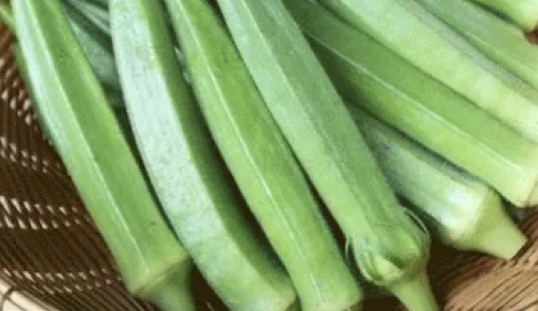
Okra (Abelmoschus esculentus) is a flowering plant whose immature seed pods are eaten as a vegetable.
- Color: Bright green
- Shape: Tapered, ribbed pods
- Texture: Tender when young; becomes fibrous if overcooked
- Famous for: Its mucilaginous texture — slippery when cut or cooked
📌 The slime? It’s made of soluble fiber — and it’s actually beneficial.
✅ Nutritional Powerhouse (Per 100g Raw Okra)
| ✅ Calories | 33 kcal | Low-energy, nutrient-dense food |
| ✅ Fiber | 3.2 g | Supports digestion and gut health |
| ✅ Vitamin C | 23 mg (~25% DV) | Antioxidant, boosts immunity |
| ✅ Vitamin K | 31.3 µg (~26% DV) | Essential for blood clotting and bone health |
| ✅ Folate (B9) | 60 µg (~15% DV) | Crucial during pregnancy and cell repair |
| ✅ Magnesium | 57 mg (~14% DV) | Supports nerve and muscle function |
| ✅ Antioxidants | Quercetin, catechin, epicatechin | Fight oxidative stress |
🌱 Also contains calcium, potassium, and small amounts of iron.
🌿 Potential Health Benefits of Okra
While more human studies are needed, early research and traditional use suggest okra may support:
1. Blood Sugar Management
- Soluble fiber slows glucose absorption
- Animal and small human studies show modest improvement in blood sugar levels
- Mucilage may act like a natural thickener in the gut, reducing insulin spikes
🩺 Not a replacement for diabetes medication — but a smart addition to a balanced diet.
2. Digestive Health
- High fiber content promotes regular bowel movements
- Mucilage soothes the digestive tract — traditionally used for mild irritation
- May support healthy gut bacteria (prebiotic effect)
✅ Great for preventing constipation.
3. Heart Health Support
- Fiber helps lower LDL (“bad”) cholesterol
- Antioxidants reduce inflammation linked to heart disease
- Potassium supports healthy blood pressure
💡 Part of a heart-healthy, plant-rich diet.
4. Pregnancy Nutrition
- Rich in folate — essential for fetal neural tube development
- Low risk, high nutrient density makes it ideal for prenatal diets
🥗 Pair with tomatoes and onions for a nourishing side dish.
⚠️ Common Myths About Okra
| ❌ “The slime is bad — wash it off” | No — the mucilage is where much of the fiber and benefits come from |
| ❌ “Okra causes kidney stones” | Unlikely — while it contains oxalates, levels are moderate; cooking reduces them |
| ❌ “Eating okra lowers libido” | No scientific evidence — cultural myth with no basis |
| ❌ “Only older people eat okra” | False — it’s enjoyed across ages and cultures |
🍳 How to Cook Okra Without the Slime (If You Prefer)
Love the taste but hate the texture? Try these tips:
| ✅Slice and soak in vinegar/lemon juice | Reduces mucilage release |
| ✅High-heat roasting (425°F) | Crisps exterior, minimizes sliminess |
| ✅Grill or sauté whole pods | Keeps moisture inside, less gooey |
| ✅Add to soups/stews (like gumbo) | Embrace the slime — it thickens naturally! |
🔥 Pro Tip: Don’t overcook — mushy okra loses flavor and texture.
❓ Who Should Be Cautious?
| ❗ People with kidney stones (calcium-oxalate type) | Okra contains moderate oxalates — consume in moderation |
| ❗ On blood thinners (warfarin) | High vitamin K affects medication — keep intake consistent |
| ❗ Allergic to related plants (hibiscus, cotton) | Rare, but possible cross-reactivity |
Always talk to your doctor if unsure.
Final Thoughts
You don’t need to believe in miracle foods to appreciate okra.
It won’t cure disease. But eaten regularly, it adds fiber, flavor, and quiet nourishment to your meals.
So next time you’re staring at that spiky green pod… don’t turn away.
Roast it. Stir-fry it. Simmer it in stew.
Because real health isn’t loud. It grows — slice by slice — in the foods that have fed generations.
And that kind of wisdom? It’s always in season.