
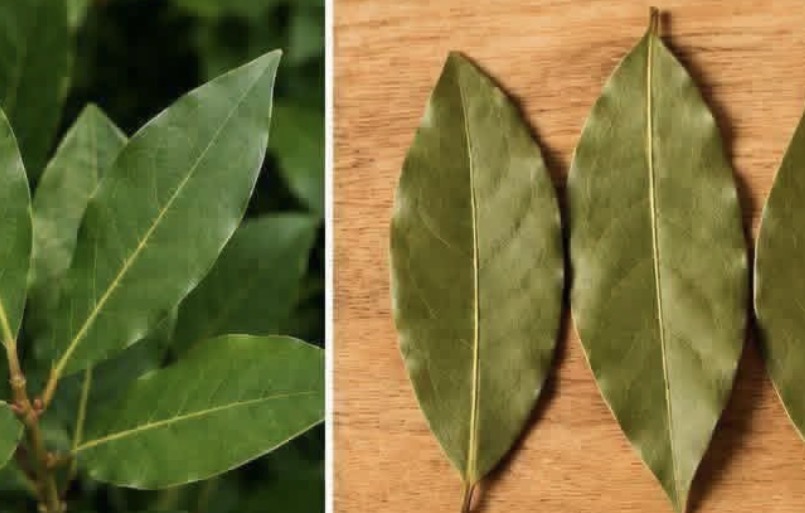
Guava leaves have been used in traditional medicine for generations due to their rich content of antioxidants, vitamins, and plant compounds. Recently, social media posts have claimed that guava leaves and seeds can relieve eye problems without the need for chemical medication. While these claims may sound appealing, it is important to separate traditional practices from scientific evidence.
Healthy eyes depend on proper nutrition, good hygiene, and regular eye care. Although guava leaves contain beneficial nutrients that may support overall wellness, there is currently no strong scientific evidence proving that they can cure eye diseases or replace professional medical treatment.
This article explores the potential benefits of guava leaves for eye health, what research says, safe ways to use them, and when to seek medical attention.
⸻
What Makes Guava Leaves Beneficial?
Guava leaves are packed with natural compounds that contribute to overall health. They contain:
- Vitamin C
- Flavonoids
- Polyphenols
- Quercetin
- Tannins
- Antioxidants
These compounds help fight oxidative stress, which is associated with aging and various chronic conditions. Antioxidants protect cells from damage caused by free radicals, making guava leaves a valuable addition to a balanced diet.
⸻
Can Guava Leaves Improve Eye Health?
There is limited scientific evidence directly linking guava leaves to improved eye health. However, their antioxidant properties may indirectly support healthy body functions, including those that affect vision.
Possible supportive benefits include:
- Helping reduce inflammation throughout the body
- Providing antioxidants that protect cells
- Supporting immune function
- Contributing to overall nutritional wellness
These potential effects should not be interpreted as proof that guava leaves treat eye infections, cataracts, glaucoma, or vision loss.
⸻
Common Eye Problems That Require Medical Care
Many eye conditions need professional diagnosis and treatment. These include:
Eye Infections
Bacterial or viral infections often require prescription medications. Natural remedies should never replace appropriate medical treatment.
Dry Eyes
Dry eye syndrome may improve with lubricating eye drops and lifestyle adjustments rather than herbal applications.
Allergic Eye Irritation
Allergy-related redness and itching often respond to antihistamines or physician-recommended treatments.
Cataracts
Cataracts cannot be reversed by herbal remedies and usually require surgical treatment when vision becomes significantly affected.
Glaucoma
Glaucoma is a serious condition that can permanently damage vision if left untreated. Early diagnosis and prescribed medication are essential.
⸻
Is It Safe to Put Guava Leaf Extract in Your Eyes?
No.
There is no medical evidence supporting the direct application of homemade guava leaf extracts, teas, or juices into the eyes. Doing so may introduce bacteria or contaminants, potentially causing:
- Eye irritation
- Allergic reactions
- Infection
- Corneal damage
- Delayed medical treatment
For this reason, eye specialists generally recommend using only sterile products specifically designed for ocular use.
⸻
Safe Ways to Enjoy Guava Leaves
If you wish to include guava leaves in your wellness routine, consuming them as tea is generally considered a safer option than applying them directly to the eyes.
A simple preparation includes:
- Wash several fresh guava leaves thoroughly.
- Boil them in clean water for 10–15 minutes.
- Allow the tea to cool.
- Strain before drinking.
Always consume herbal teas in moderation and consult your healthcare provider if you have chronic medical conditions, are pregnant, or take prescription medications.
⸻
Nutrients That Truly Support Healthy Vision
Maintaining eye health involves a balanced diet rich in nutrients such as:
- Vitamin A
- Vitamin C
- Vitamin E
- Zinc
- Omega-3 fatty acids
- Lutein
- Zeaxanthin
Foods that naturally provide these nutrients include:
- Carrots
- Spinach
- Kale
- Sweet potatoes
- Citrus fruits
- Salmon
- Eggs
- Bell peppers
A healthy lifestyle often has a greater impact on long-term vision than relying on a single herbal remedy.
⸻
Additional Tips for Healthy Eyes
Protecting your eyesight involves daily habits, including:
- Wearing sunglasses outdoors
- Taking breaks from digital screens
- Sleeping enough each night
- Staying hydrated
- Avoiding smoking
- Managing diabetes and blood pressure
- Scheduling regular eye examinations
These evidence-based practices can significantly reduce the risk of various eye conditions.
⸻
When Should You See an Eye Doctor?
Seek immediate medical attention if you experience:
- Sudden vision loss
- Severe eye pain
- Persistent redness
- Flashing lights
- New floaters
- Eye injury
- Double vision
- Chemical exposure
Prompt treatment can prevent permanent vision damage.
⸻
The Bottom Line
Guava leaves are a nutritious plant rich in antioxidants and beneficial compounds that may support overall health. However, current scientific evidence does not support the claim that guava leaves or their seeds can cure eye diseases or replace conventional medical treatment.
Drinking guava leaf tea as part of a balanced lifestyle may offer general wellness benefits, but applying homemade preparations directly to the eyes is not recommended due to potential safety risks.
For lasting eye health, focus on a nutrient-rich diet, healthy lifestyle habits, regular eye examinations, and evidence-based medical care whenever eye symptoms develop.