
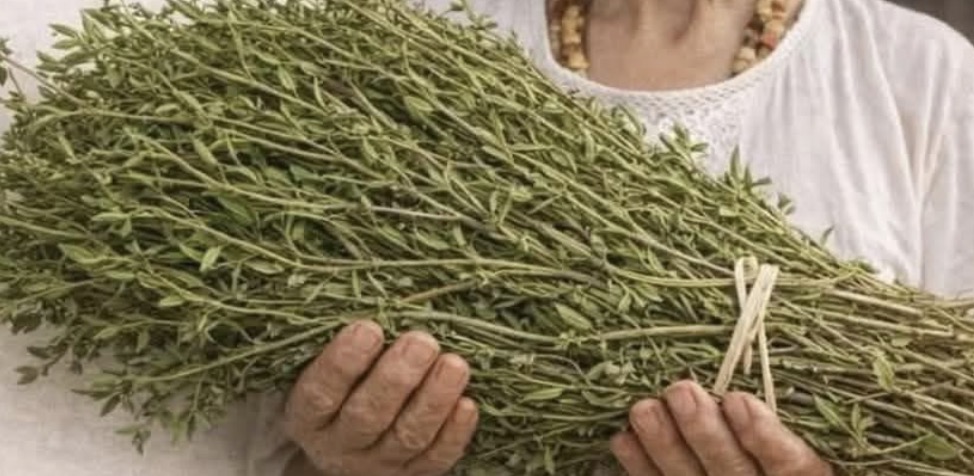
The plant in the image looks like thyme 🌿 (small narrow leaves on thin woody stems).
🌿 Thyme (Thymus vulgaris)
Thyme has been used traditionally for respiratory, digestive, and antimicrobial support. It contains thymol and carvacrol, compounds with natural antibacterial and antifungal properties.
⚠️ Important: Thyme can support health, but it does NOT replace medical treatment for UTIs, herpes, parasites, or serious infections.
✅ How to Use Thyme Properly
1️⃣ Thyme Tea (Most Common Method)
Best for: Cough, sore throat, digestion, mild immune support.
Ingredients:
• 1–2 teaspoons dried thyme (or 1 tablespoon fresh)
• 1 cup hot water
• Optional: honey & lemon
Method:
1. Pour hot (not boiling aggressively) water over thyme.
2. Cover and steep for 10–15 minutes.
3. Strain and drink 1–2 cups daily.
👉 For cough: drink warm 2–3 times per day.
2️⃣ Steam Inhalation (For Congestion)
Best for: Sinus congestion, chest mucus.
Method:
1. Add a handful of fresh thyme or 1 tablespoon dried to a bowl of hot water.
2. Cover head with towel.
3. Inhale steam for 5–10 minutes.
3️⃣ Thyme-Infused Oil (For Joint Massage)
Best for: Muscle tension or mild joint discomfort.
Method:
1. Fill a jar halfway with dried thyme.
2. Cover completely with olive oil.
3. Seal and leave in a dark place for 2–3 weeks.
4. Strain and use externally for massage.
4️⃣ Thyme Gargle (For Sore Throat)
1. Make strong thyme tea.
2. Let cool to warm.
3. Gargle 2–3 times daily.
⚠️ Safety Notes
• Avoid excessive use if pregnant.
• Do not use thyme essential oil internally.
• If you have thyroid issues, use moderately.
• UTIs, herpes, parasites → see a doctor. These need proper diagnosis.
🌿 What Thyme Can Realistically Help With
✔ Mild cough
✔ Indigestion
✔ Minor sore throat
✔ Mild antimicrobial support
✔ Antioxidant support